

For too long, the creative industry across Africa, from Nairobi to Lagos to Cairo, has been treated as a side hustle, a hobby, or a “nice-to-have” afterthought. We’ve been sideline players in the economic game, fighting for crumbs of respect while silently fueling the engines of commerce.
But let’s be clear: That time is over. It is long past time that we, the photographers, videographers, designers and content creators, get the respect and professional recognition we have unequivocally earned.
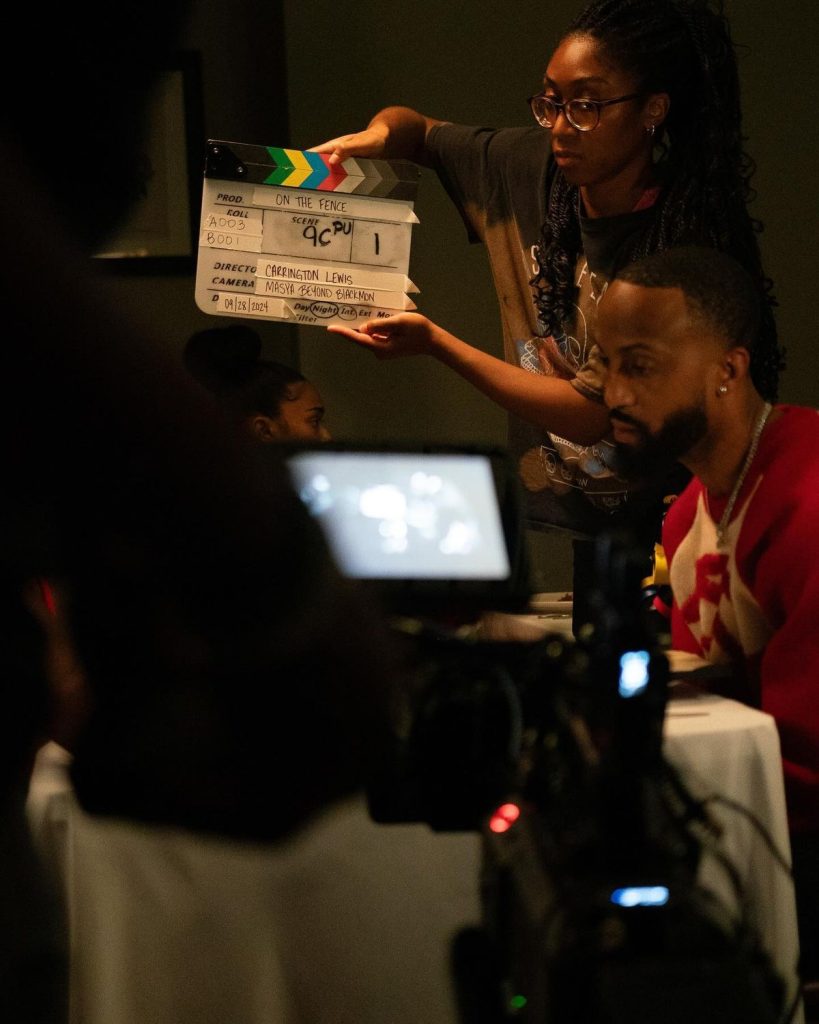
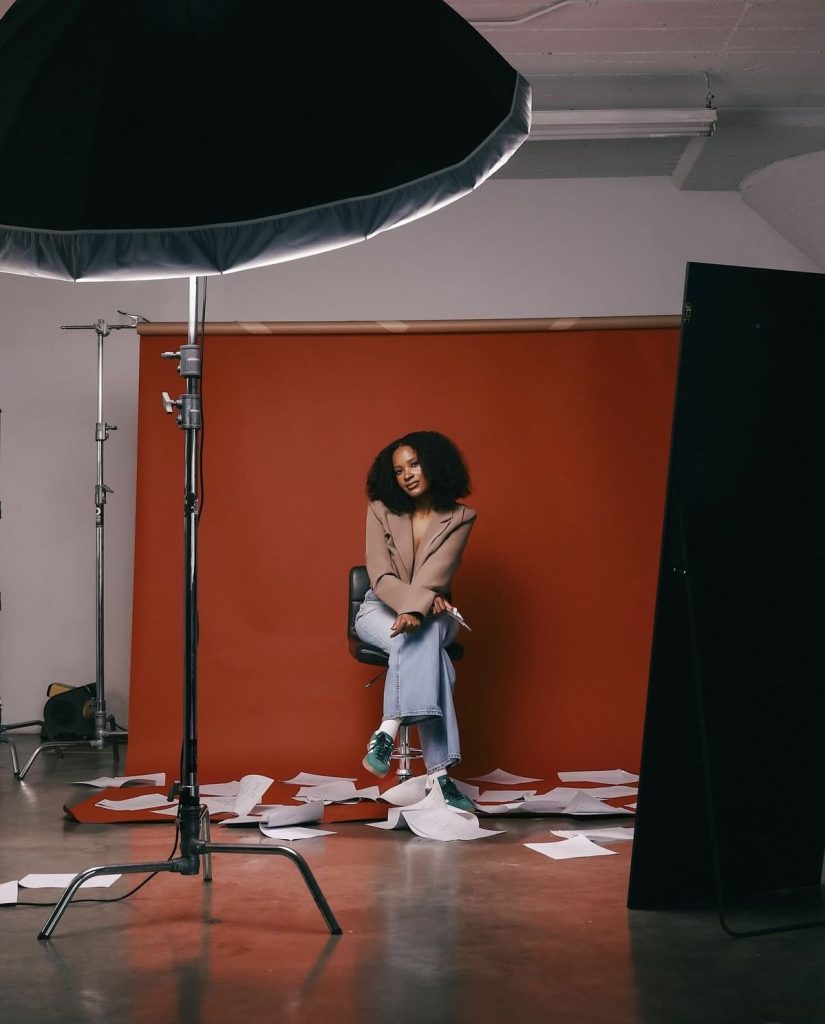
The evolution of the creative space, especially here in Kenya, has been nothing short of a revolution. It was turbocharged by two forces: the necessity of the COVID-19 era and the unstoppable rise of the digital economy.
Suddenly, every business, small mama mboga stalls and multinational corporations alike were forced online. They needed to communicate, market and sell through screens. Who did they turn to? Us.
In this new digital landscape, the lines blurred: You see, every single piece of creative work, whether it’s a stunning photo, a viral reel, a sleek graphic or a comedy skit, at its core, is an act of marketing and advertising. We are the vessels through which businesses find their customers. We are not just artists; we are the strategists, the storytellers and the essential engine behind a company’s success.
Who knew you could build an empire just by mastering a camera and a compelling narrative? Who knew that a TikTok sketch could introduce an entire new marketing channel? We did. We were the pioneers.
From Content to Commerce: The Birth of Creative Businesses
When you look at the journey, especially here in Kenya, we have experienced major, undeniable milestones that prove creativity is a serious, scalable business.
We need only look at the successes of the OGs—the creators who proved the model and paved the path for thousands of others. Think of the pioneers like Abel Mutua and Eddie Butita. They didn’t just build personal brands; they built production houses, structured teams and demonstrated that high-quality, relevant content commands serious value.
Take the Wakurugenzi movement for instance. What started as compelling storytelling content on YouTube has evolved into a full-fledged business, monetizing content, merchandise and live events supported by a community . This, along with the growth of influencer marketing and high-production comedy skits, shows that the content we produce directly translates into economic activity, creating jobs and contributing to the nation’s GDP.
These achievements are not isolated incidents; they are blueprints. They are proof of the massive economic and societal contribution we make every single day. We built the foundation for the content space and we continue to push the boundaries of modern marketing.
We need to push for Systemic Support
The success stories confirm our value, but the problems persist in the structure surrounding us. In First World economies where social media largely originated, creatives are able to establish a livelihood out of their work, with clear guidelines for taxation, intellectual property and payment. People literally appreciate their work. Why can’t we, in Africa, have the same empowerment, the same recognition, the same respect?
The answer lies in systemic change.
Furthermore, creative empowerment programs—supported by organizations like Mastercard Foundation, UNESCO, and local accelerators—are actively mapping cultural assets, providing specialized training, and connecting creators to market opportunities. These are the bricks and mortar of a formalized economy.
The Gap: Contribution vs. Compensation
The undeniable truth is this: Creatives technically carry the successes of a business in the region. Our work drives brand awareness, engagement, and ultimately, sales.
Yet, our professional reality often looks like this:
- Lack of Structure: Being treated like enthusiastic amateurs rather than skilled business professionals.
- Payment Ghosting: Having to chase payments for months, begging for what we earned.
- Administrative Burden: Dealing with informal arrangements, vague contracts, and unexpected tax complexities.
The recognition we deserve is not a pat on the back it is professional certainty.
The African creative economy is too important, too sophisticated and too valuable to remain informal. We have delivered the content, introduced the channels and driven the market. Now, the market must finally catch up to us.
It’s time to professionalize. It’s time to demand the structure, security and respect that our contribution absolutely deserves.